Local detail
The Cost of This Job
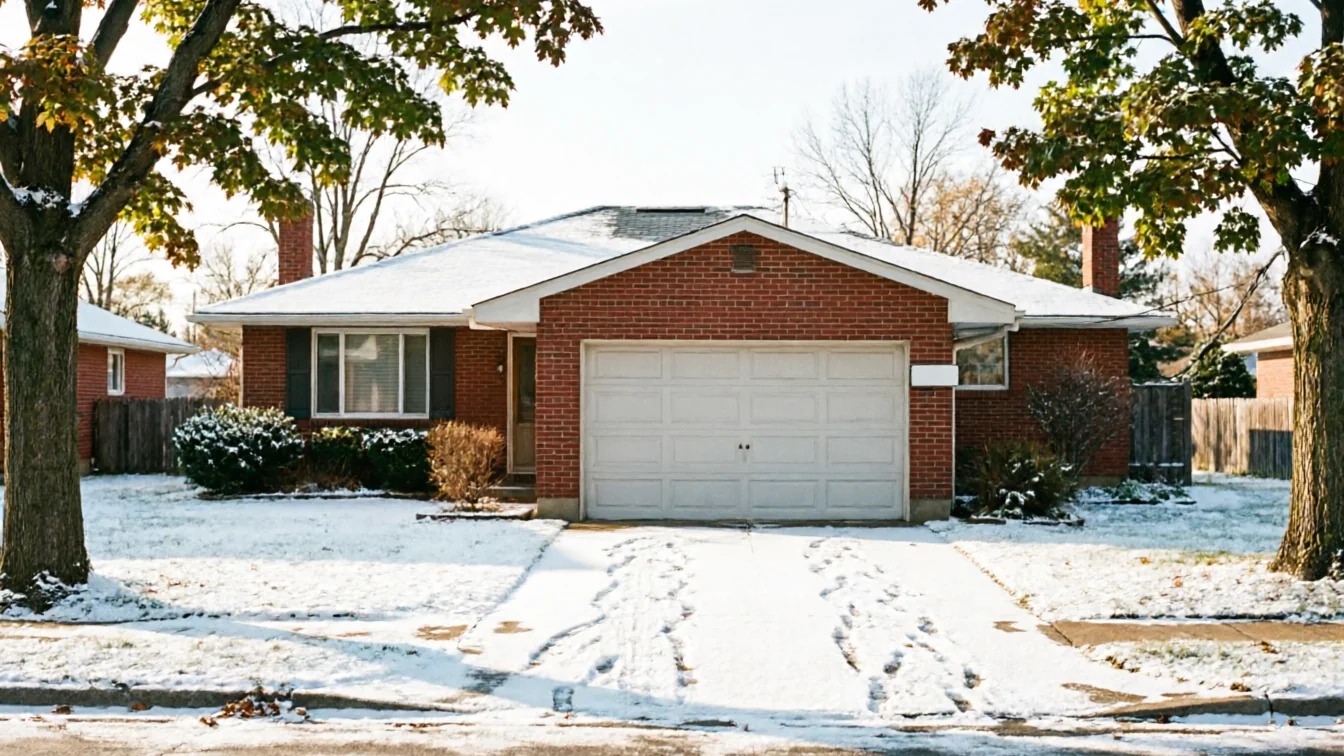
We don't quote a number until we've seen the door, because what drives the bill in O'Fallon isn't the brand, it's the age. Housing across the area runs from 1953 up through 2011, with the median build year sitting at 1989. A door from that median era usually takes a standard torsion spring, a common roller, and a track size any supplier still carries - that's a straightforward repair call. A door from the older end of that range, especially anything close to the 1953 start of the stock, can have hardware sizes and mounting setups that stopped being standard decades ago. Matching those parts takes longer and costs more, sometimes enough that a full replacement actually comes out cheaper than chasing down obsolete pieces. We'll tell you straight when that's the case instead of patching something that'll fail again in a year. One honest limit: we don't carry parts for doors built before the 1950s stock on the shelf - if your house falls in that bracket, expect us to order before we install.
The area
What Is Going On
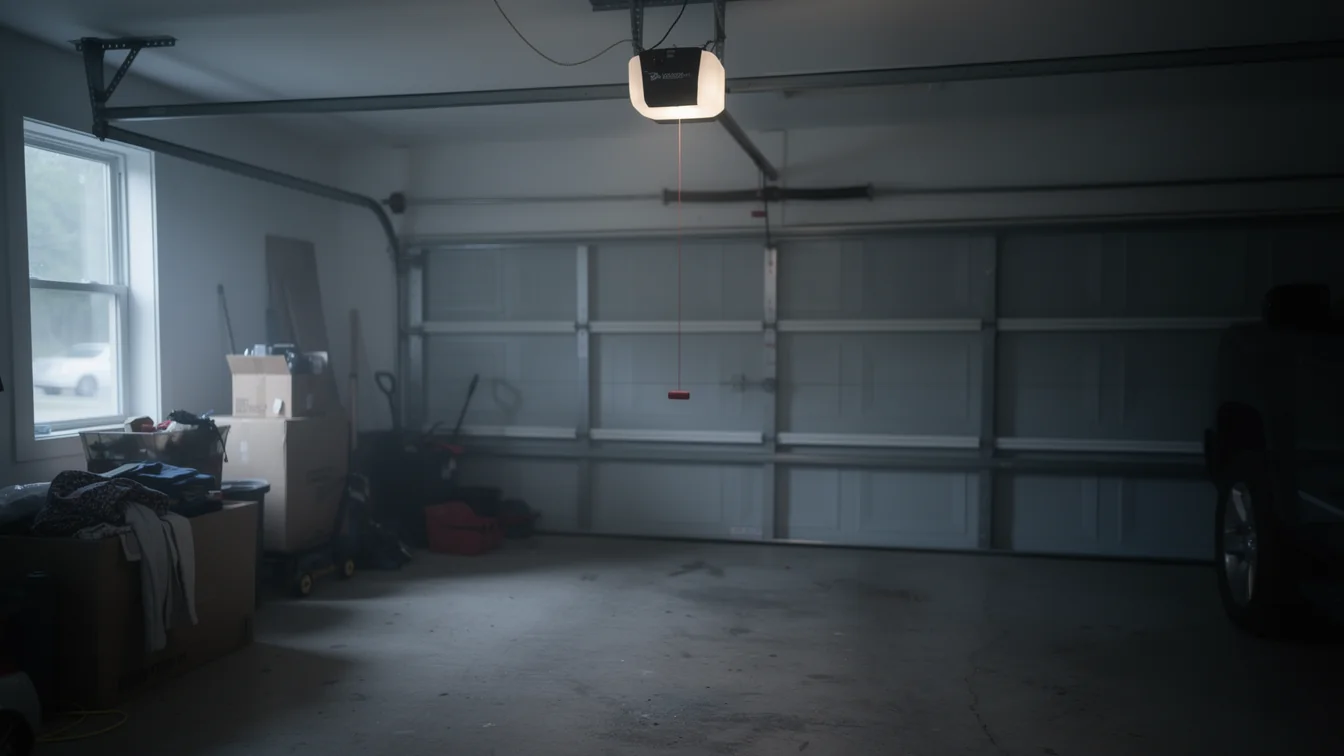
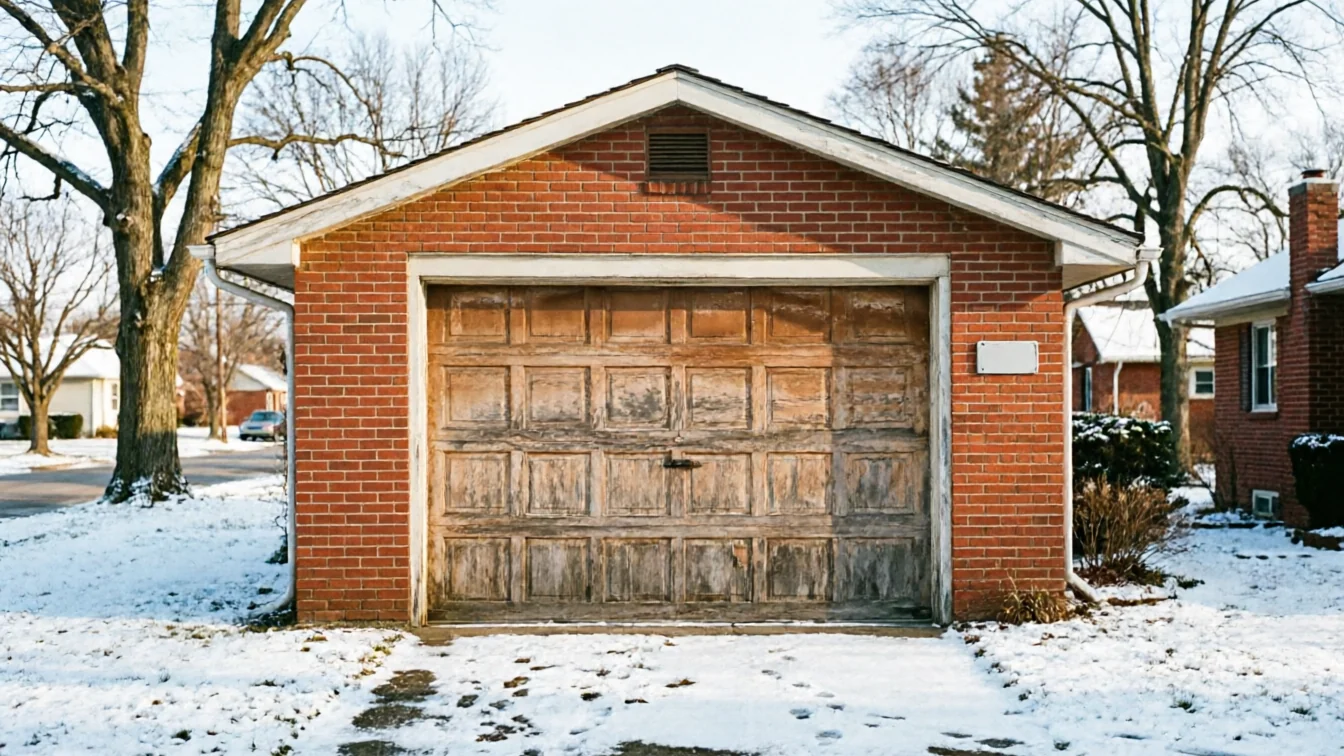
Most of what we see on service calls matches the housing pattern here. Across the 28 named areas we work in, the bulk of the stock was built in the 1980s and 90s, and that generation of door is now 30 to 45 years old - old enough for the original springs, cables, and rollers to be well past their rated cycle count, even if the door still looks fine. The common failure isn't dramatic. It's a torsion spring that's lost tension gradually, a cable starting to fray at the drum, or hinges worn enough that panels have started to sag at the seams. Homes at the newer end of the range, closer to 2011, are more likely dealing with opener issues than structural door issues - circuit boards and sensors age differently than steel and springs. Knowing which decade your subdivision went up in tells us what to check first before we even open the panel.
What we find
What the Weather Here Does to It
O'Fallon sits in a severe cold climate band, and that matters more to a garage door than most people think. Steel contracts in cold and expands in heat, and a door built in the 80s or 90s wasn't engineered with today's insulation standards - the panels flex more at the seams with every freeze-thaw cycle through the winter. That flexing is what loosens hinge screws over time and what turns a minor roller-track misalignment into a door that binds or jumps the track on the coldest mornings of the year. Lubricant also thickens in severe cold, which is part of why an older door that opens fine in July can groan or stick in January. None of this is a design flaw specific to one manufacturer - it's just what 30-plus winters do to steel and hardware that was never going to last forever. It's also the reason a tune-up before winter catches problems a lot cheaper than a breakdown during one.
How we work
When It Stops Being a DIY Job
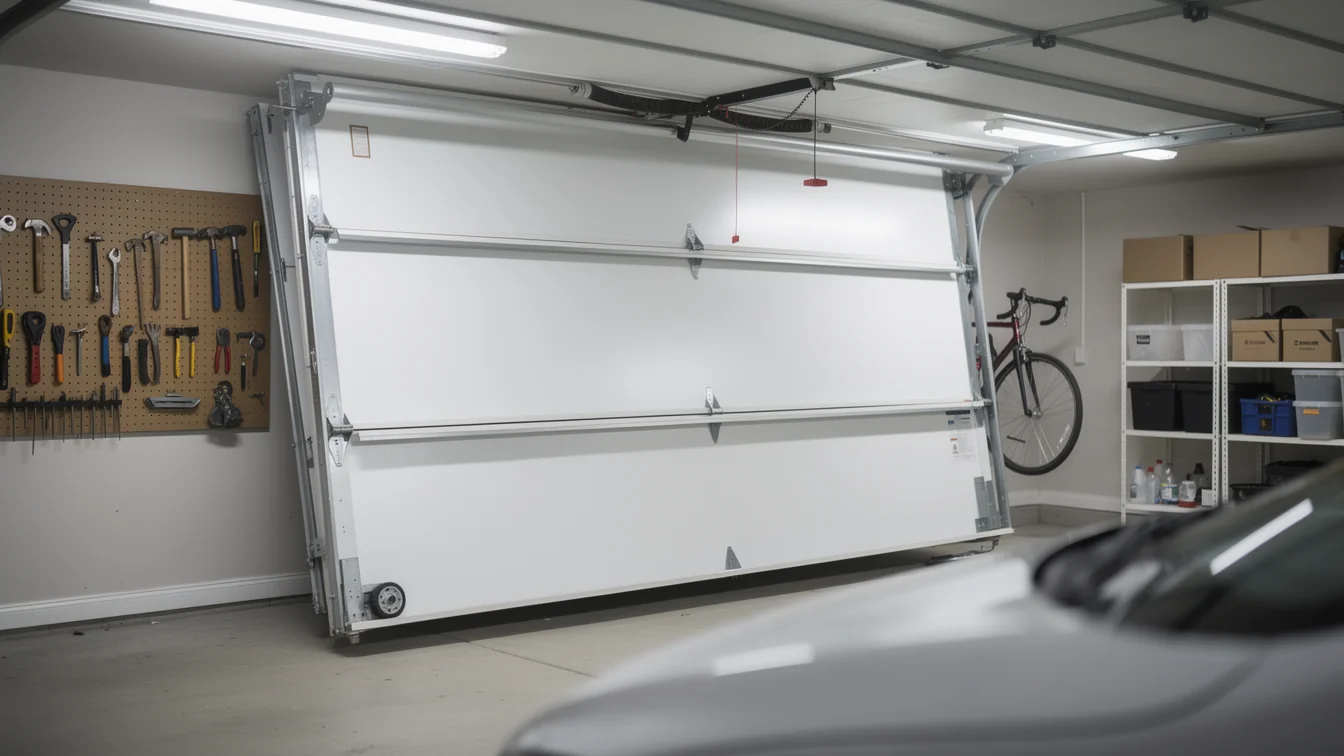
Tightening loose hardware or swapping a worn roller is reasonable for a homeowner to handle. Springs are not. A torsion spring on a door built to the older end of our local housing range is under enough stored tension to cause a serious injury if it lets go while you're working on it, and the mounting hardware on those older doors often isn't what current spring kits are built for. If your door has gone from quiet to noisy over a season, if it's started reversing on its own, or if one side visibly sags more than the other, that's past the point of a weekend fix. Given how much of O'Fallon's housing stock is now 30 to 45 years old, we're seeing more of these calls shift from simple adjustments to full spring and cable replacement, which is a job that needs the door unloaded under control, not guessed at.
Talk to a local pro
Garage door trouble in O'Fallon?
Same-day service with honest, upfront quotes.