Local detail
The Cost of This Job
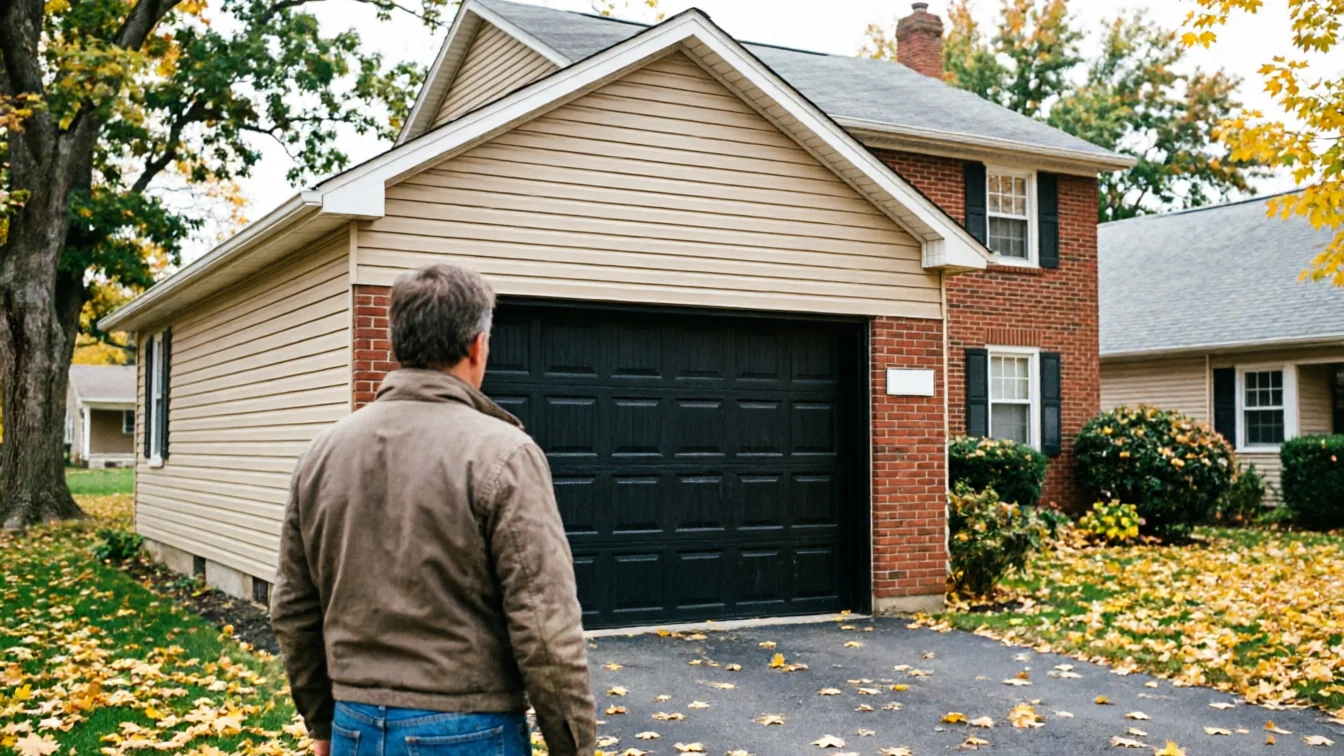
We can't quote a number here without knowing your door, but we can tell you what drives the cost on a house like yours. O'Fallon's housing stock runs 1953 to 2011, with the median build year sitting around 1989 - and most of the service area's 28 named subdivisions filled in during the 1980s and 90s. A door from that era is usually a single-layer steel panel with no insulation core, hung on hardware sized for a lighter door than what's often been swapped in since. Replacing that setup costs more than patching a modern insulated door because you're often replacing track, hinges, and sometimes the opener mount at the same time, not just a panel. The honest version: if your door is original to a house built in the 80s or earlier, a repair quote and a replacement quote should both be on the table before you commit to either one.
The area
What Is Going On
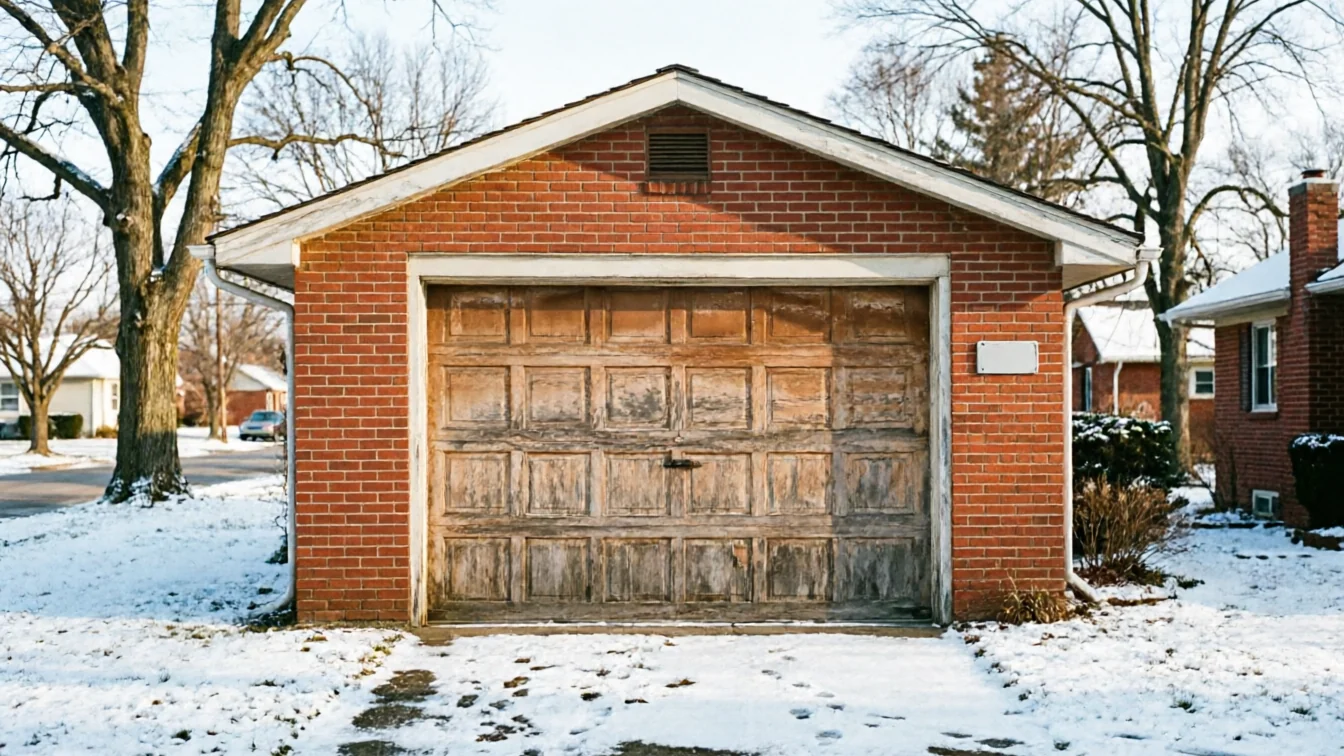
Insulation requirements for garage doors weren't part of most residential codes when a large share of O'Fallon's houses went up. A house built in 1975 or 1985 got whatever door the builder had on the truck - solid steel, maybe a single layer of fiberglass, no thermal break at the panel seams or the bottom seal. That door still opens and closes fine today. What it doesn't do is hold a seal the way a door built after insulation rules became standard does. Over 164,355 households and 88,813 owner-occupied houses across this area, a lot of garages are sitting at whatever temperature it is outside, with a thin steel skin as the only thing between the car and the weather. That's not a defect. It's just what building before the rules changed looks like decades later, once the weatherstripping has hardened and the panel seams have widened a hair.
What we find
What the Weather Here Does to It
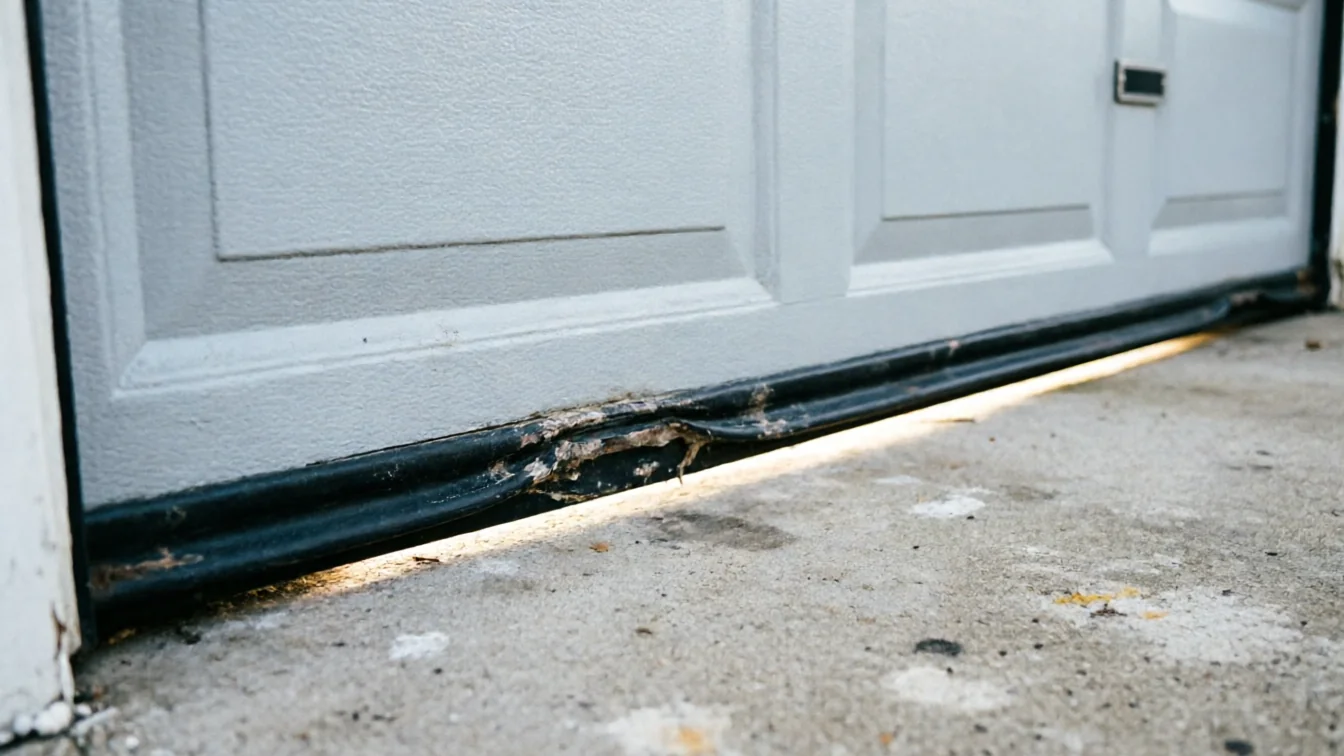
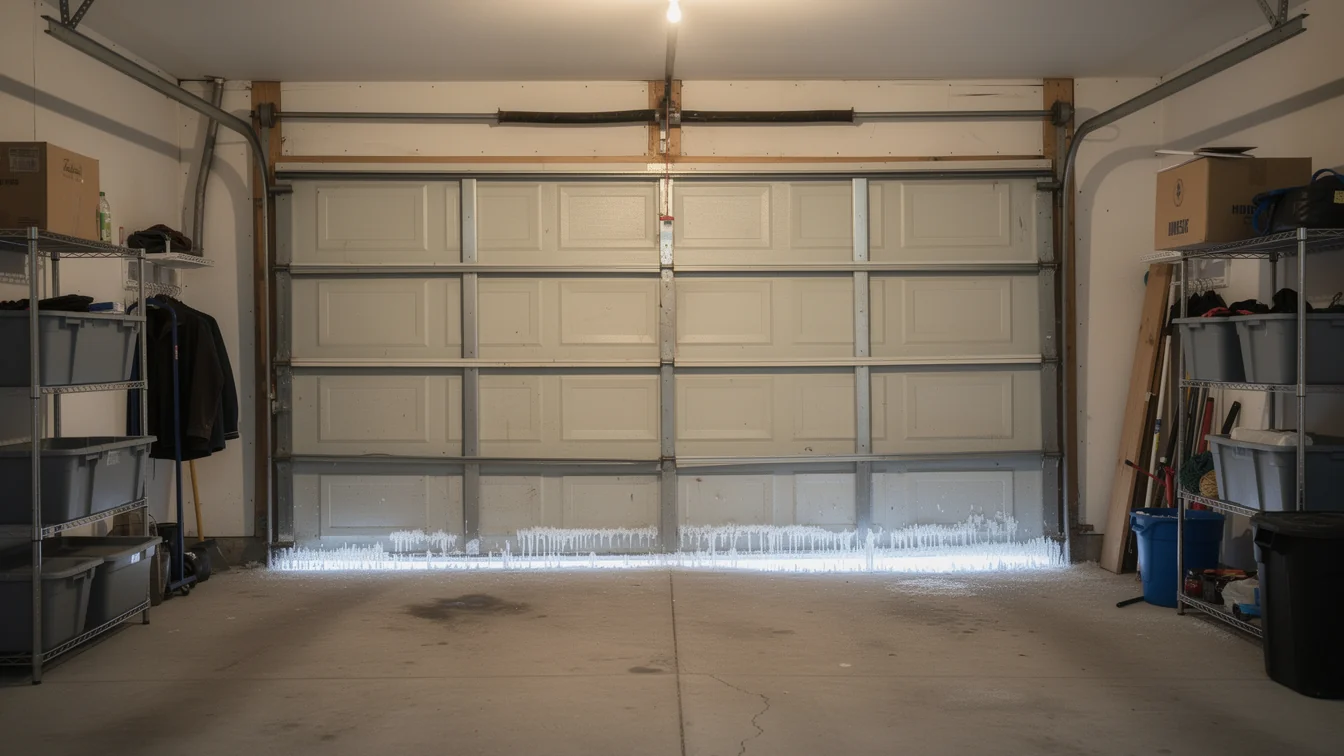
This area sits in a cold-climate band with severe winters, and an uninsulated 1980s door does not handle that well. Steel contracts in deep cold, which is when you'll notice the bottom seal pulling away from the slab and the panel seams gapping enough to whistle. On a door with no insulation core, that contraction also makes the steel more brittle right where the roller brackets attach, so a hard slam or an opener that's out of adjustment is more likely to bend a panel edge in January than in July. None of this is dramatic - it shows up as a draft under the door, a seal that won't sit flat anymore, or a spring that feels like it's working harder than it used to. Those are symptoms of a door built for a different set of expectations than the winters this area actually gets.
How we work
When It Stops Being a DIY Job
Swapping a bottom seal or tightening a loose hinge is reasonable to do yourself. What isn't: anything involving the torsion spring, especially on an older door where the spring was sized for the original steel panel and may be under more tension than a newer door's spring assembly. If the door is original to a house built before insulation rules were common, the spring, cable, and drum are probably original too, and that hardware doesn't announce that it's about to fail. A cable that's frayed or a spring that's rusted through the coils is not a tightening job - it's a full hardware swap, and getting it wrong on a door this old, with this little give left in the metal, is how people end up in the ER instead of the garage. If you're not sure how old your spring is, that uncertainty is itself the answer.
Talk to a local pro
Garage door trouble in O'Fallon?
Same-day service with honest, upfront quotes.